Part 2: The Connection Between Poverty and Child Sex Trafficking: Addressing the Root Causes
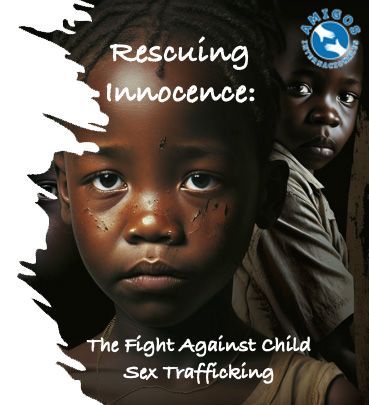
As we continue our series on “Rescuing Innocence: The Fight Against Child Sex Trafficking,” we must address one of the most insidious factors that contribute to this heinous crime: poverty.
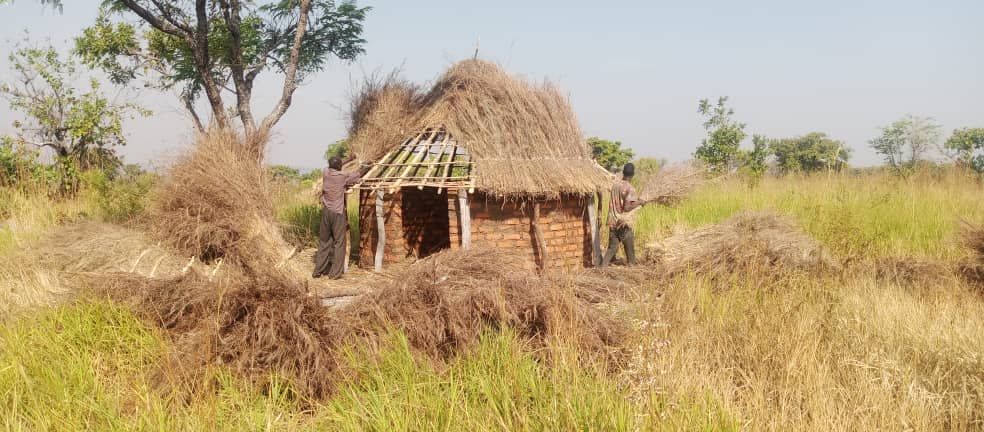
It’s a tragic truth that poverty and child sex trafficking are intrinsically linked. Families who are struggling to make ends meet may be more vulnerable to the false promises of traffickers who offer education or job opportunities for their children.
In many cases, parents may be unaware of the true nature of the work their children are being sent to do, or may feel that they have no other options.
This cycle of poverty and exploitation can be difficult to break, but it’s not impossible. Addressing the root causes of poverty is essential if we want to protect vulnerable children from the horrors of trafficking.
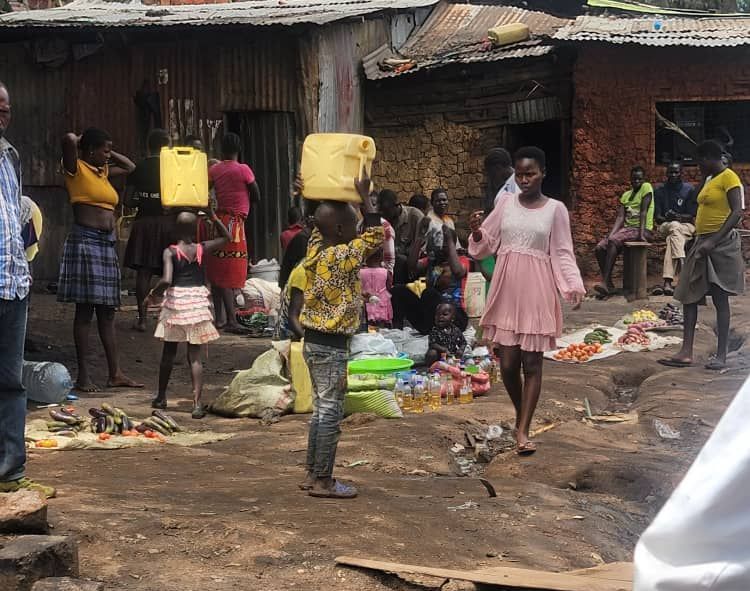
One of the most powerful tools we have in the fight against poverty is education. By investing in education, we can provide children with the knowledge and skills they need to build a better future for themselves and their families. This includes not just academic education, but also practical training that can help children gain valuable job skills.
Another key factor is economic opportunity. Families who are struggling to make ends meet may be more vulnerable to the false promises of traffickers, but if they have access to stable jobs and income, they may be less likely to fall prey to exploitation. This means investing in local economies and creating job opportunities for those who need them most.
Of course, addressing poverty is only one part of the solution. We also need to provide support and resources for survivors of child sex trafficking, as well as work to prosecute traffickers and bring them to justice.
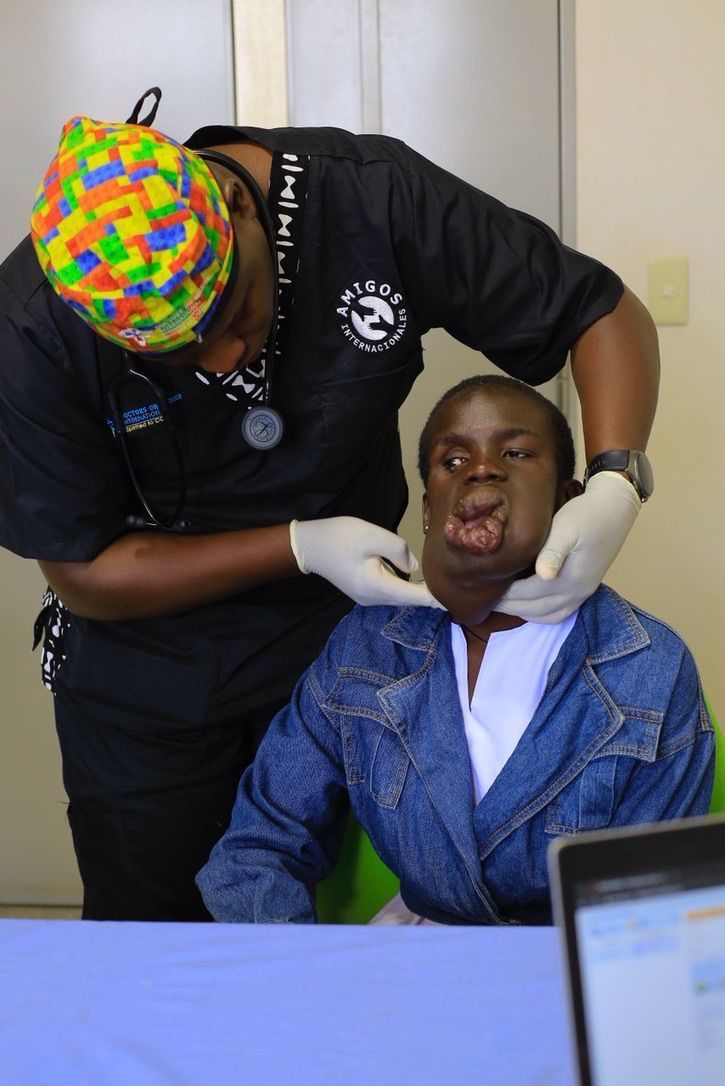
Organizations like Amigos Internacionales are leading the charge in this fight, working tirelessly to rescue and support survivors of child sex trafficking while also addressing the root causes of the problem. By raising awareness, providing education and economic opportunities, and supporting local communities, we can make a difference in the lives of vulnerable children.
We must never forget that behind the statistics and the headlines, there are real children whose lives have been shattered by exploitation. We owe it to them to do everything in our power to break the cycle of poverty and protect them from harm. Together, we can make a difference in the fight against child sex trafficking.
Categories
Social Media

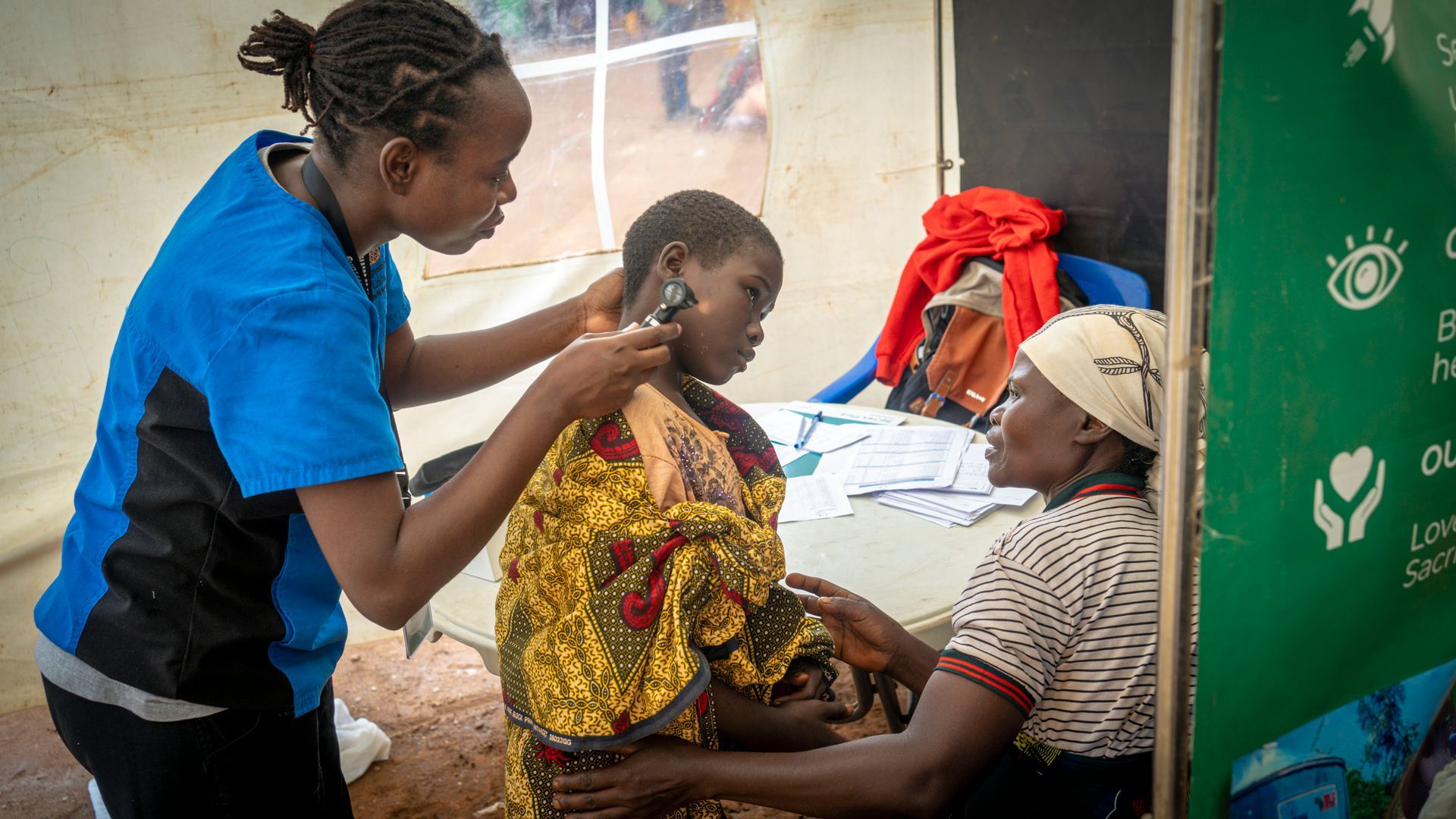
Free Medical Camps in Burundi: What Happens When a Doctor Walks Into Gisuru | Amigos Internacionales