
Transforming Smiles: The Heartfelt Impact of Bethel Smile on Underprivileged Children
Amigos Internacionales • September 10, 2025
a blue sky with a few clouds in it
A poster for amigos mission in motion shows a girl holding a cup

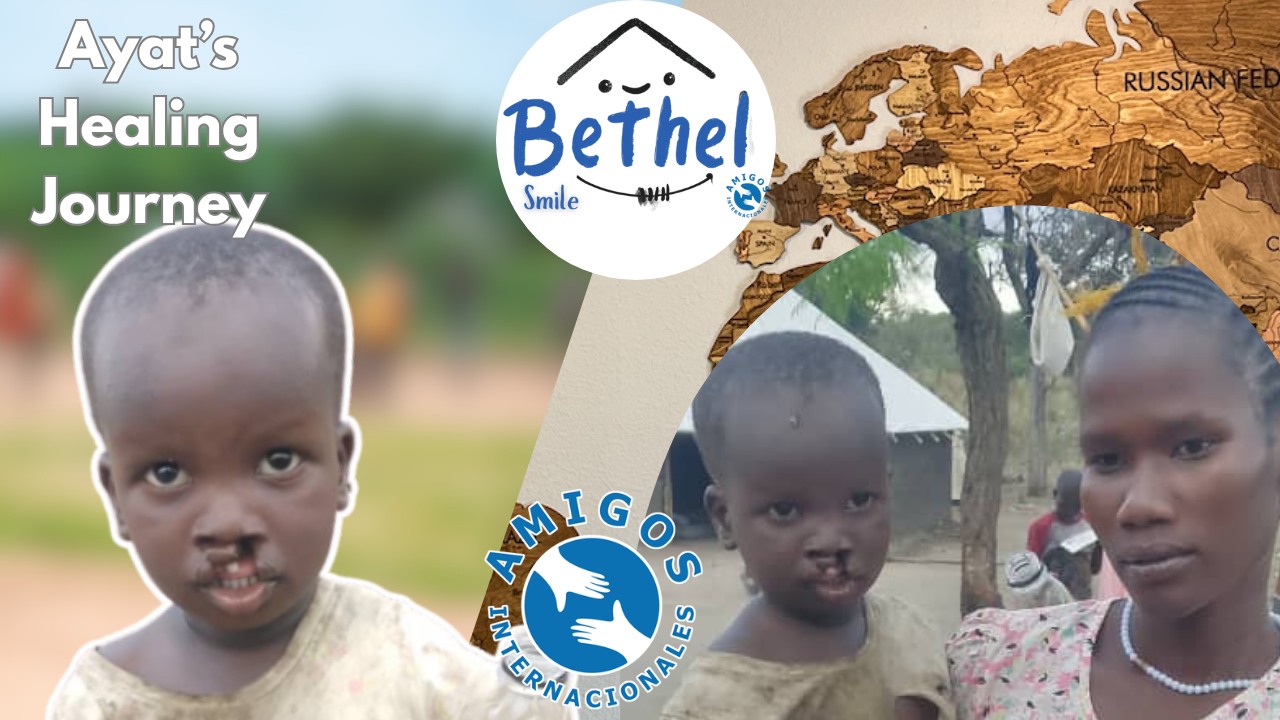
Every child deserves the chance to smile confidently, but for many underprivileged children, dental issues can stand in the way of this simple joy. The Bethel Smile program by Amigos Internacionales is changing lives by providing essential dental surgeries for children, offering them not just improved health but also the hope of a brighter future. This heartfelt initiative focuses on helping underprivileged children regain their self-esteem and quality of life through impactful healthcare initiatives. By sharing personal success stories and the significant transformations witnessed, we aim to inspire compassionate individuals to donate dental care and support this noble cause. Join us as we explore how a community of supporters can come together to make a lasting difference in the lives of those who need it most. https://www.amigosii.org/bethel-smile

Transforming Smiles Through Dental Care

Transforming smiles is more than just a cosmetic endeavor. It’s about restoring confidence and improving lives. The Bethel Smile program exemplifies this mission by focusing on providing essential dental care to those who need it most. Through strategic initiatives and dedicated efforts, Amigos Internacionales helps underprivileged children gain the health benefits and self-esteem they deserve.

The Bethel Smile Program

The Bethel Smile Program is an initiative designed to address critical dental issues faced by underprivileged children. By focusing on dental surgeries for children, the program ensures that these young individuals can experience life without the burden of dental pain or insecurity.

The program brings together a team of dedicated professionals and volunteers who work tirelessly to offer top-notch care. Their commitment to excellence ensures each child receives the attention and treatment required for a healthy smile.

Moreover, this initiative isn't just about dental surgery. It's about instilling hope and confidence in each child. By addressing dental health, Bethel Smile opens doors to opportunities that were previously inaccessible due to the stigma and discomfort associated with dental issues. For more information on this transformative program, visit Let’s Smile Inc..

Amigos Internacionales' Mission

Amigos Internacionales is committed to creating lasting change through healthcare and educational initiatives. Their mission is to provide impactful healthcare solutions, like the Bethel Smile Program, to communities in need.

The organization focuses on comprehensive healthcare strategies that integrate community support and professional expertise. By partnering with local communities, they ensure that healthcare solutions are sustainable and effective.

Amigos Internacionales also places a strong emphasis on education and prevention. By educating communities about dental health, they help prevent future issues and promote overall well-being. Their mission extends beyond immediate care, aiming for a long-term positive impact on the communities they serve. Learn more about their mission on Facebook.

How You Can Help

  1. Donate Dental Care: Your financial contributions enable us to provide necessary treatments and expand our reach to more children in need.
  2. Spread the Word: Share our mission with friends and family to increase awareness and support for our cause.
  3. Engage with Us on Social Media: By following and sharing our posts, you help us reach a wider audience and inspire more individuals to get involved.

Every small action can lead to significant change. By contributing to the Bethel Smile Program, you become a part of a community committed to transforming lives through compassionate care. Visit ADA Foundation for more ways to get involved.
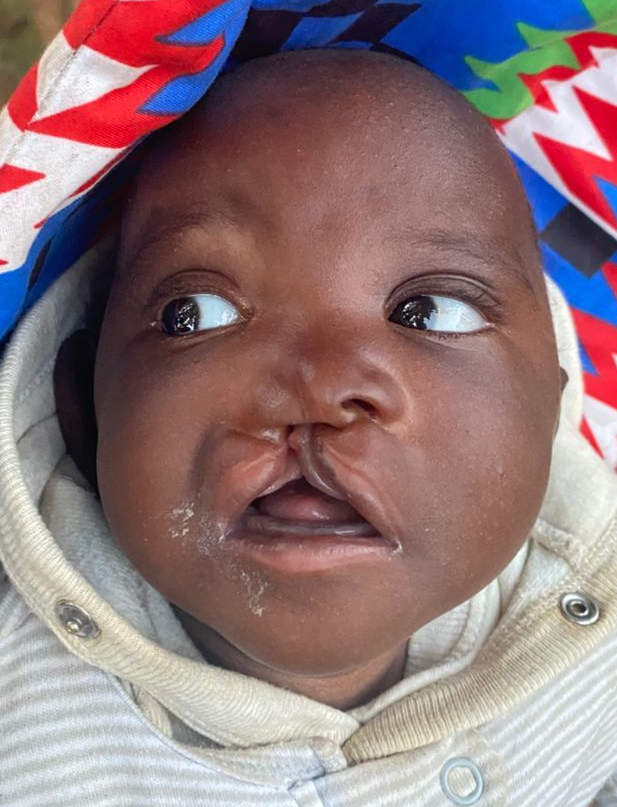
Baby with cleft lip looks upward, wrapped in patterned fabric.
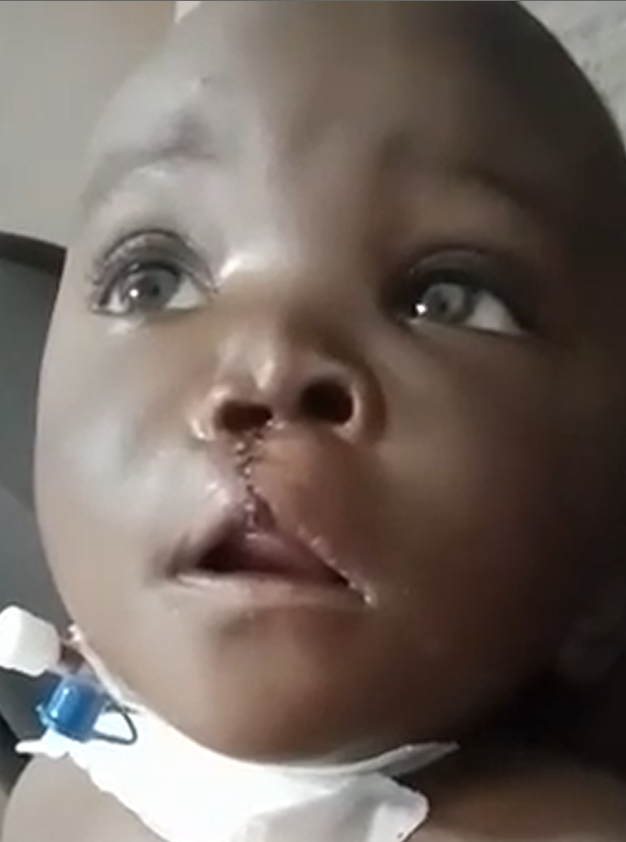
Baby with a cleft lip and a feeding tube looking up, soft expression, indoors.

Success Stories of Smiles Transformed

The impact of the Bethel Smile Program is best seen through the transformed smiles of the children it serves. These success stories are powerful reminders of the difference that compassionate care can make.

Personal Stories of Hope

One of the most moving aspects of the Bethel Smile Program is the personal stories of the children it helps. Each story is a testament to resilience and hope in the face of adversity.

For instance, a young girl named Maria was once too shy to smile. After her dental surgery, her confidence soared. She now participates actively in school and social events, her smile lighting up every room she enters.

These stories highlight not just the physical transformation but also the emotional and social impact of the program. A smile can change how a child sees themselves and how they interact with the world.

Impact on Children’s Lives

The program's impact on children's lives is profound. With improved dental health, children experience relief from pain and discomfort, which directly affects their quality of life and ability to focus on their education.

  • Better oral health leads to improved school attendance and performance.
  • Enhanced self-esteem encourages participation in social activities.
  • Long-term health benefits reduce future medical expenses for families.

These changes contribute to a brighter future for each child, underscoring the program's importance in their development and success.
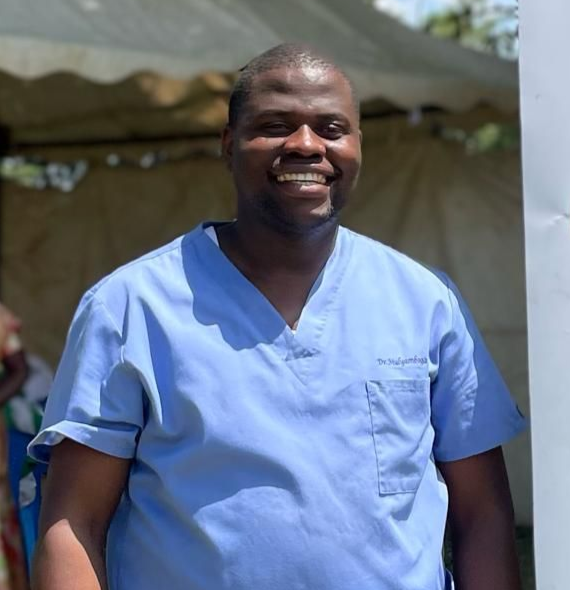
Smiling man in blue scrubs outdoors; tent in background.

Inspiring Change in Communities

The Bethel Smile Program doesn’t just change individual lives; it uplifts entire communities. As children regain their confidence through improved dental health, they influence those around them.

Families become more aware of dental hygiene's importance, leading to healthier community practices. The program's success stories inspire local volunteers and donors to support similar initiatives.

This ripple effect showcases how targeted healthcare initiatives can foster community growth and resilience, paving the way for sustainable development across regions.


Join Us in Making a Difference

Join us in making a difference by supporting the Bethel Smile Program. Together, we can bring smiles to children who need them most, changing lives one smile at a time.
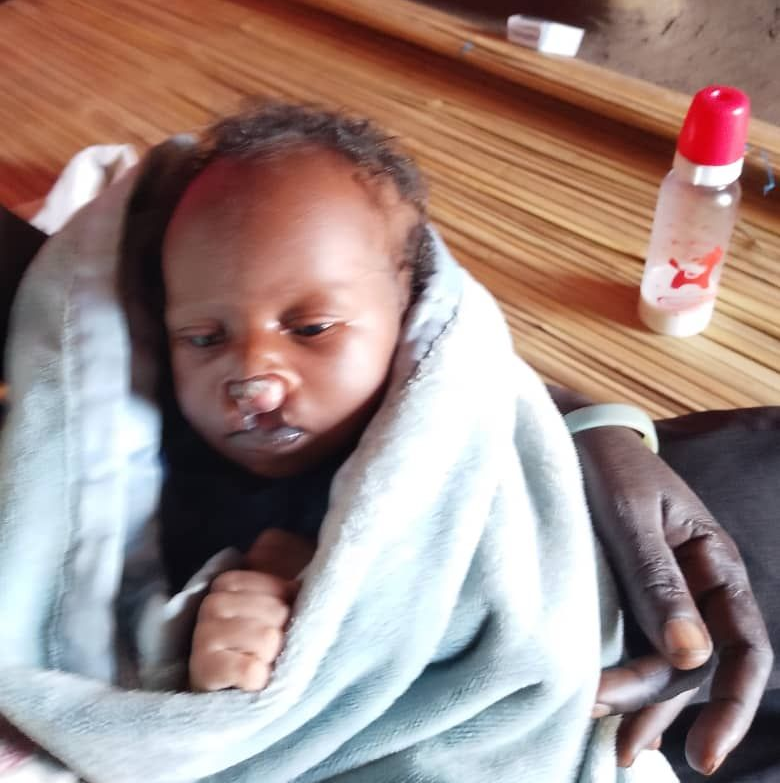
Newborn baby wrapped in a blue blanket, held by a person, with a bottle nearby.

Ways to Support and Donate

Supporting the Bethel Smile Program is simple and impactful. Here are ways to contribute:

  • Financial Donations: Every dollar helps provide critical dental care to children in need.
  • In-Kind Donations: Dental supplies and equipment donations are equally valuable.
  • Corporate Sponsorship: Partner with us through your business for a broader impact.

Your generosity can transform lives. Visit Let’s Smile Inc. to make your contribution today.


Volunteer and Get Involved

Volunteering is another powerful way to support the Bethel Smile Program. Whether you're a dental professional or just passionate about helping children, your skills and time are invaluable.

  • Participate in Dental Clinics: Assist with surgeries or patient care.
  • Educational Outreach: Help educate communities about oral health.
  • Organize Fundraising Events: Mobilize your community to support the cause.

Your involvement can lead to life-changing experiences for both you and the children you help.

Join the conversation and spread awareness by using these hashtags. Share your stories, inspire others, and help us reach a wider audience dedicated to making a difference. Together, we can amplify the impact of the Bethel Smile Program and continue transforming smiles around the world.


#amigosinternacionales #amigosmedical #Sponsorachild #amigosii


By Victor Phiri April 1, 2026
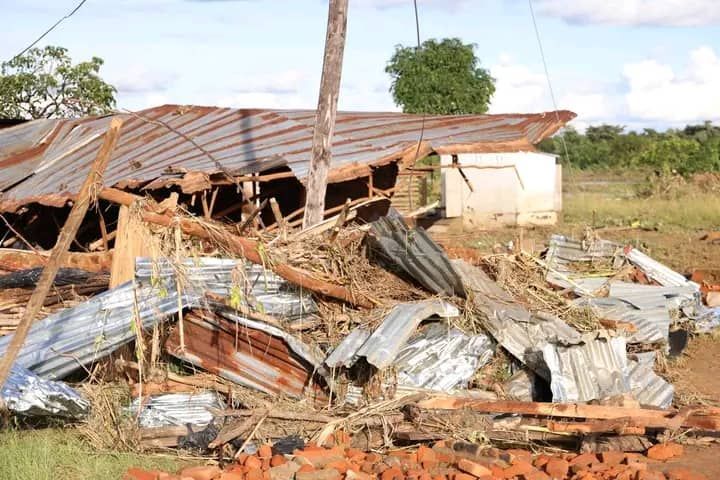
From 15–19 March 2026, relentless heavy rains triggered destructive flooding across southern Malawi, leaving a trail of shattered homes, damaged fields, and grieving families in districts like Mulanje and Phalombe. As a Christian medical and community ministry , Amigos Internacionales’ Missionpoint Malawi is on the ground, helping families survive this disaster and begin to rebuild their lives. A Disaster on a National Scale
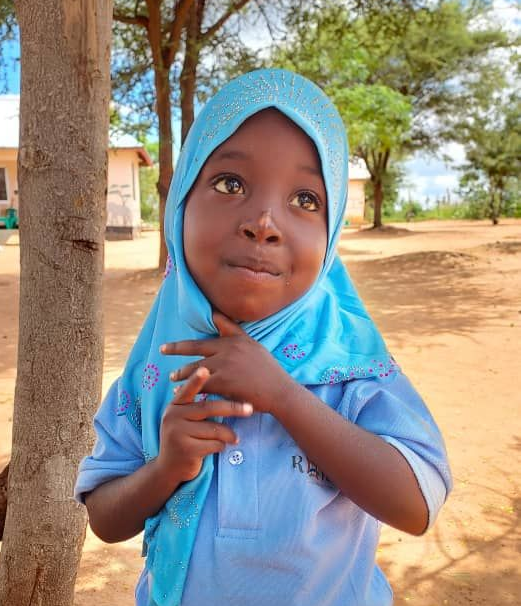
A child wearing a light blue hijab and shirt, smiling while touching their chin, standing outdoors in a sandy area.
By Amigos Internacionales March 28, 2026
Perpetua’s story in Tanzania reveals the daily reality of living with sickle cell and how compassionate medical care and faith bring hope to vulnerable children.
By Amigos Internacionales March 27, 2026
Learn about the water crisis in rural Uganda and how Amigos Internacionales is providing sustainable, clean water solutions to transform lives and communities.
By Amigos Internacionales March 26, 2026
Learn how child sponsorship in Africa transforms lives in Uganda through education, healthcare, and long-term community impact.
By Amigos Internacionales March 25, 2026
A Ground Prepared Together Loyobo, Uganda — March 2026 There is a quiet theology unfolding in Loyobo. Before any patient is seen, before medicines are distributed, before prayers are spoken over the sick—there is soil being turned. There are hands pressing into earth. There is a community preparing space. In these early days leading up to the medical camp on March 27–28, the people of Loyobo are not waiting for care—they are making room for it. Men and youth gather under open skies, clearing land that will soon receive both bodies and stories. The ground, once wild and overgrown, is becoming a place of welcome. This is not simply preparation; it is participation. It is dignity taking form in action.
By Amigos Internacionales March 24, 2026
Discover why children in rural Africa lack access to life-saving surgery and how Amigos Internacionales is providing hope through medical missions.
By Amigos Internacionales March 19, 2026
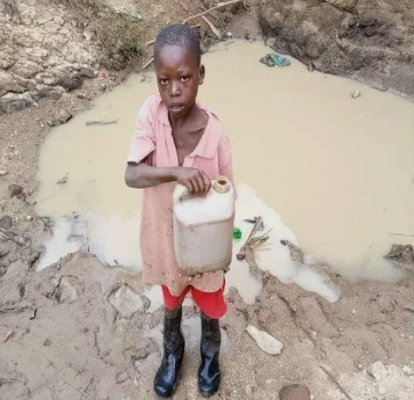
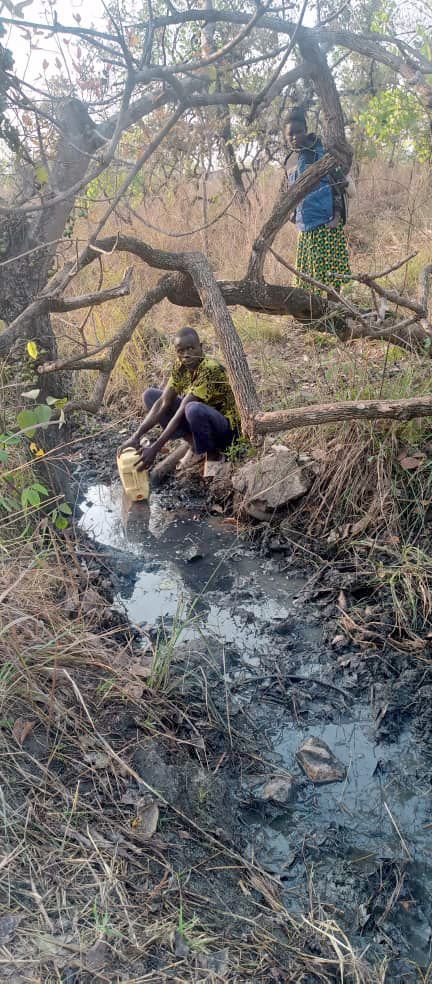
The most expensive decision is often the one that does nothing When people talk about the cost of a water well, they usually mean drilling, equipment, labor, and maintenance. Those costs are real. They matter. However, the bigger question is often ignored. What does it cost when a well is never drilled? In East Africa, that answer is measured in sickness, lost time, missed school, and stalled progress. It is also measured in futures that never fully open. A village without clean water does not simply lack convenience. It lacks a foundation. Unsafe water keeps families trapped in preventable illness The first cost is health. When families depend on ponds, surface runoff, or contaminated collection points, disease spreads fast. The World Health Organization warns that contaminated drinking water can transmit diarrhoea, cholera, dysentery, typhoid, and polio. WHO also estimates that unsafe drinking water causes about 505,000 diarrhoeal deaths each year. That number is global. Yet the daily reality feels painfully local. A child drinks unsafe water. That child gets sick. A mother stays home to care for him. A father loses work hours. A clinic visit costs money the family did not plan to spend. Then it happens again. This is what “no well” really costs.
A person crouches near a muddy, polluted water source in a wooded area, filling a yellow plastic container.
By Amigos Internacionales March 19, 2026
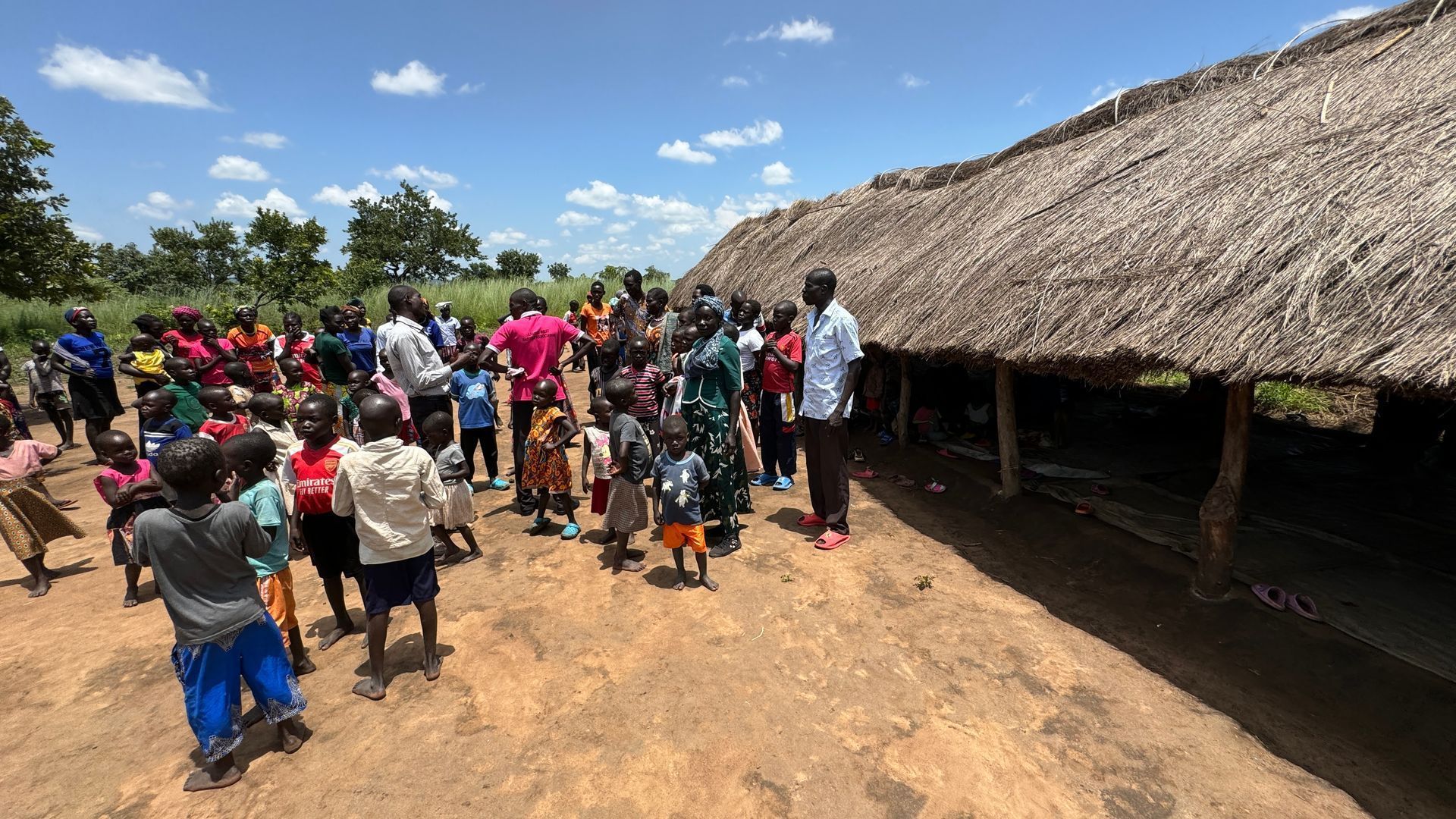
Understanding the Real Cost of Clean Water Projects When people think about clean water, they often think about a simple well. However, the reality is far more complex. Bringing clean water to a rural village involves planning, logistics, and long-term sustainability. It is not just drilling a hole in the ground. Instead, it is building a system that will serve a community for years. On average, drilling a water well in Africa costs between $7,500 and $15,000. However, that number only tells part of the story.
A large group of people gathers on a dirt clearing in front of a long, thatched-roof building under a bright blue sky.
By Amigos Internacionales March 16, 2026
The Reality of Water in Northern Uganda In many parts of Northern Uganda, getting water is still a daily struggle. It is not just inconvenient. It is dangerous. Families often rely on shallow ponds or contaminated sources. During the dry season, these sources shrink. During the rainy season, they become even more polluted. As a result, waterborne diseases spread quickly. Children are especially vulnerable. According to the World Health Organization, unsafe water remains one of the leading causes of preventable illness worldwide. However, statistics only tell part of the story. The real impact shows up in missed school days, long walks, and constant uncertainty.
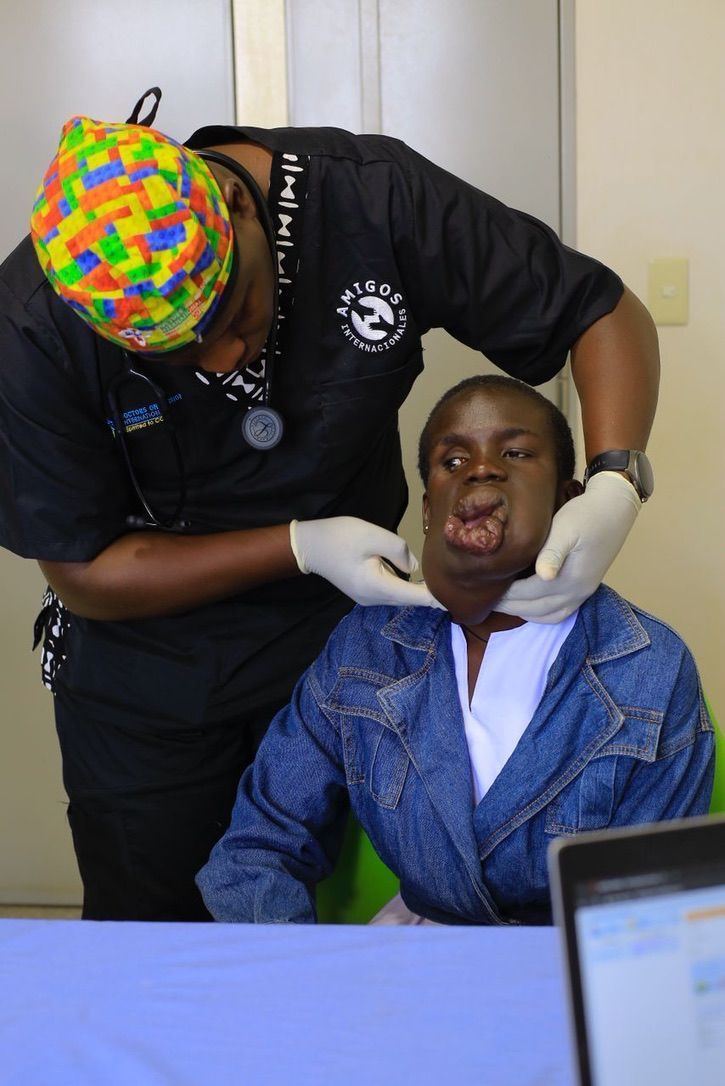
A healthcare provider wearing scrubs and gloves examines a patient with a visible facial growth on their lower jaw.
By Paul Mulyamboga March 13, 2026
“Discover how Amigos Internacionales brings life‑changing surgery to vulnerable children in rural Uganda, bridging the healthcare gap with compassionate care.”
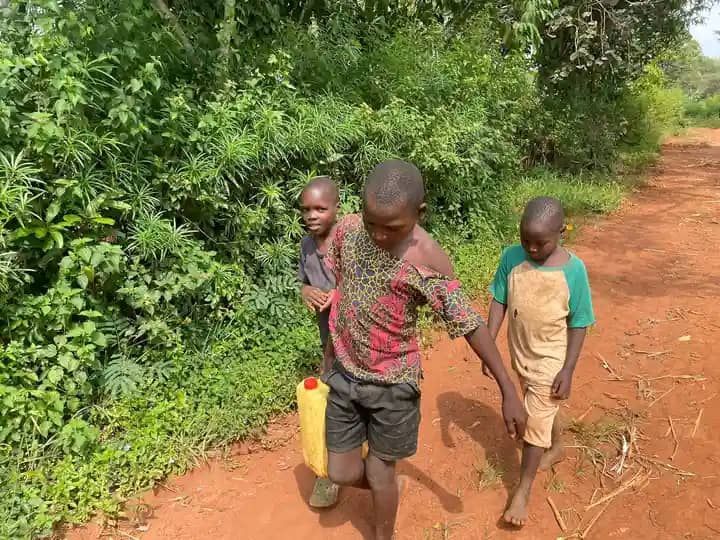
Three children walking on a dirt road, one carrying a yellow jug, near green foliage.
By Victor Phiri February 26, 2026
In the rural communities of Mulanje District, there are children who wake up every morning ready to learn—but without the tools they need to understand the world around them. They are deaf. And in Malawi today, far too many of them are still waiting for a fair chance at education. At Missionpoint Malawi, in partnership with Amigos International, we are encountering a growing number of deaf children across Mulanje who are eager to learn, connect, and thrive. Yet their path to education is filled with barriers—systemic, social, and economic. This is a call not just for awareness—but for action. The Reality of Deaf Education in Malawi Since the early 2000s, Malawi shifted from a special education model to an inclusive education system. The vision was admirable: to integrate deaf children into mainstream classrooms alongside hearing peers. However, the implementation has revealed serious gaps. Across Malawi, more than 500,000 people are deaf or hard of hearing . Many of these children face: Limited access to quality education A severe shortage of trained teachers in Malawian Sign Language (MSL) Lack of learning materials tailored to deaf students Social isolation in mainstream schools Stigma and discrimination Extreme poverty that prevents access to boarding schools for the deaf While inclusive education is the national policy, many mainstream schools are not equipped to meet the educational needs of deaf learners. Teachers often lack training in sign language. Classrooms move at a pace that excludes deaf children from comprehension. Over time, many children withdraw—not because they lack intelligence, but because they lack access. Isolation Inside the Classroom Qualitative research conducted through Amigos International Mississippi–Malawi in three schools for the deaf and two mainstream schools revealed a troubling pattern. Deaf children in mainstream schools frequently reported: Feeling isolated and lonely Struggling to follow lessons Being unable to communicate effectively with teachers or peers Some children eventually leave mainstream schools and seek enrollment in special schools for the deaf—where they can communicate freely with deaf peers. But these schools are typically boarding institutions, and the costs are too high for many families living in poverty. As a result, some deaf children face an impossible choice: Attend a mainstream school where learning is limited, or Drop out because they cannot afford specialized education. No child should have to choose between belonging and learning. The Situation in Mulanje District In Mulanje alone, Missionpoint Malawi has already identified 60 deaf children in need of immediate support. And early outreach suggests the true number across the district is significantly higher. These children need: Access to Malawian Sign Language instruction Trained teachers or interpreters Specialized teaching materials Safe, inclusive learning environments Community support that reduces stigma Without intervention, many will remain excluded from meaningful education, limiting their future opportunities for employment, independence, and dignity. A Vision for Inclusive and Dignified Support At Missionpoint Malawi and Amigos International, we believe disability inclusion is not optional—it is essential to holistic community transformation. Our vision in Mulanje includes: Partnering with a local Deaf NGO to provide technical guidance Training teachers in Malawian Sign Language Providing learning materials tailored for deaf learners Creating community awareness to reduce stigma Supporting families facing extreme poverty Establishing structured programs that ensure deaf children are not left behind This initiative aligns with our broader commitments to: Education empowerment Child protection Community development Poverty alleviation Faith-based transformation rooted in dignity and compassion When we invest in a deaf child’s education, we are not offering charity—we are unlocking potential. Why This Matters for Malawi’s Future Education is not simply about literacy. It is about identity, opportunity, and voice. When deaf children are excluded: Communities lose future leaders Families remain trapped in poverty National development slows But when deaf children are included: They gain confidence and agency Families experience hope Communities grow stronger The question is not whether deaf children can learn. The question is whether we will provide the access they deserve. How You Can Help This is where compassionate partners and donors make the difference. Your support can help: Train a teacher in Malawian Sign Language Provide educational materials for a deaf child Support outreach to identify more deaf children in Mulanje Establish partnerships with disability-focused organizations Reduce stigma through community awareness programs Every gift becomes a bridge—connecting isolation to inclusion. We are preparing to expand our outreach and will soon document additional deaf children and families in Mulanje. As we meet disability communities across the district, we will share more stories and opportunities for partnership. Together, we can ensure that deaf children in Malawi are no longer invisible.
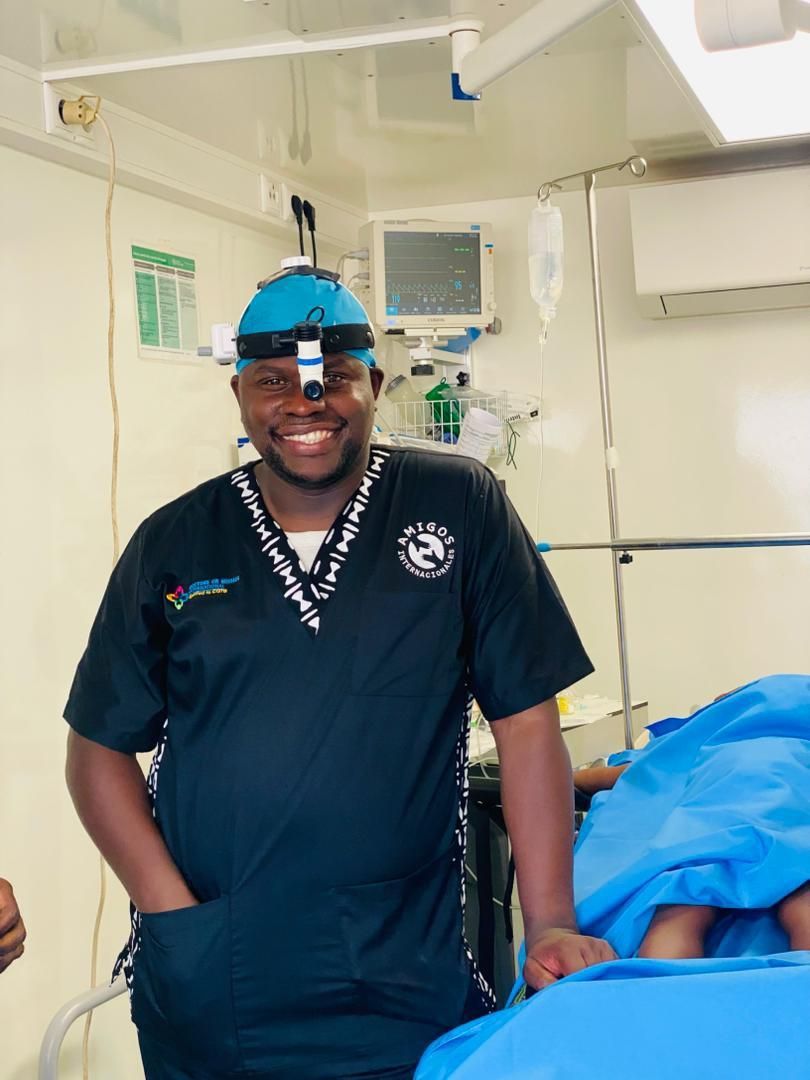
Surgeon in scrubs, headlight, smiling in operating room, blue drapes, medical equipment.
By Amigos Internacionales February 26, 2026
From 3-day medical camps and eye clinics to life skills training for women — discover how Amigos Internacionales brings holistic healing and empowerment to rural Uganda.
More Posts

Social Media

By Victor Phiri April 1, 2026
From 15–19 March 2026, relentless heavy rains triggered destructive flooding across southern Malawi, leaving a trail of shattered homes, damaged fields, and grieving families in districts like Mulanje and Phalombe. As a Christian medical and community ministry , Amigos Internacionales’ Missionpoint Malawi is on the ground, helping families survive this disaster and begin to rebuild their lives. A Disaster on a National Scale
A child wearing a light blue hijab and shirt, smiling while touching their chin, standing outdoors in a sandy area.
By Amigos Internacionales March 28, 2026
Perpetua’s story in Tanzania reveals the daily reality of living with sickle cell and how compassionate medical care and faith bring hope to vulnerable children.
By Amigos Internacionales March 27, 2026
Learn about the water crisis in rural Uganda and how Amigos Internacionales is providing sustainable, clean water solutions to transform lives and communities.
By Amigos Internacionales March 26, 2026
Learn how child sponsorship in Africa transforms lives in Uganda through education, healthcare, and long-term community impact.
By Amigos Internacionales March 25, 2026
A Ground Prepared Together Loyobo, Uganda — March 2026 There is a quiet theology unfolding in Loyobo. Before any patient is seen, before medicines are distributed, before prayers are spoken over the sick—there is soil being turned. There are hands pressing into earth. There is a community preparing space. In these early days leading up to the medical camp on March 27–28, the people of Loyobo are not waiting for care—they are making room for it. Men and youth gather under open skies, clearing land that will soon receive both bodies and stories. The ground, once wild and overgrown, is becoming a place of welcome. This is not simply preparation; it is participation. It is dignity taking form in action.
By Amigos Internacionales March 24, 2026
Discover why children in rural Africa lack access to life-saving surgery and how Amigos Internacionales is providing hope through medical missions.
By Amigos Internacionales March 19, 2026
The most expensive decision is often the one that does nothing When people talk about the cost of a water well, they usually mean drilling, equipment, labor, and maintenance. Those costs are real. They matter. However, the bigger question is often ignored. What does it cost when a well is never drilled? In East Africa, that answer is measured in sickness, lost time, missed school, and stalled progress. It is also measured in futures that never fully open. A village without clean water does not simply lack convenience. It lacks a foundation. Unsafe water keeps families trapped in preventable illness The first cost is health. When families depend on ponds, surface runoff, or contaminated collection points, disease spreads fast. The World Health Organization warns that contaminated drinking water can transmit diarrhoea, cholera, dysentery, typhoid, and polio. WHO also estimates that unsafe drinking water causes about 505,000 diarrhoeal deaths each year. That number is global. Yet the daily reality feels painfully local. A child drinks unsafe water. That child gets sick. A mother stays home to care for him. A father loses work hours. A clinic visit costs money the family did not plan to spend. Then it happens again. This is what “no well” really costs.
A person crouches near a muddy, polluted water source in a wooded area, filling a yellow plastic container.
By Amigos Internacionales March 19, 2026
Understanding the Real Cost of Clean Water Projects When people think about clean water, they often think about a simple well. However, the reality is far more complex. Bringing clean water to a rural village involves planning, logistics, and long-term sustainability. It is not just drilling a hole in the ground. Instead, it is building a system that will serve a community for years. On average, drilling a water well in Africa costs between $7,500 and $15,000. However, that number only tells part of the story.
A large group of people gathers on a dirt clearing in front of a long, thatched-roof building under a bright blue sky.
By Amigos Internacionales March 16, 2026
The Reality of Water in Northern Uganda In many parts of Northern Uganda, getting water is still a daily struggle. It is not just inconvenient. It is dangerous. Families often rely on shallow ponds or contaminated sources. During the dry season, these sources shrink. During the rainy season, they become even more polluted. As a result, waterborne diseases spread quickly. Children are especially vulnerable. According to the World Health Organization, unsafe water remains one of the leading causes of preventable illness worldwide. However, statistics only tell part of the story. The real impact shows up in missed school days, long walks, and constant uncertainty.
A healthcare provider wearing scrubs and gloves examines a patient with a visible facial growth on their lower jaw.
By Paul Mulyamboga March 13, 2026
“Discover how Amigos Internacionales brings life‑changing surgery to vulnerable children in rural Uganda, bridging the healthcare gap with compassionate care.”
Three children walking on a dirt road, one carrying a yellow jug, near green foliage.
By Victor Phiri February 26, 2026
In the rural communities of Mulanje District, there are children who wake up every morning ready to learn—but without the tools they need to understand the world around them. They are deaf. And in Malawi today, far too many of them are still waiting for a fair chance at education. At Missionpoint Malawi, in partnership with Amigos International, we are encountering a growing number of deaf children across Mulanje who are eager to learn, connect, and thrive. Yet their path to education is filled with barriers—systemic, social, and economic. This is a call not just for awareness—but for action. The Reality of Deaf Education in Malawi Since the early 2000s, Malawi shifted from a special education model to an inclusive education system. The vision was admirable: to integrate deaf children into mainstream classrooms alongside hearing peers. However, the implementation has revealed serious gaps. Across Malawi, more than 500,000 people are deaf or hard of hearing . Many of these children face: Limited access to quality education A severe shortage of trained teachers in Malawian Sign Language (MSL) Lack of learning materials tailored to deaf students Social isolation in mainstream schools Stigma and discrimination Extreme poverty that prevents access to boarding schools for the deaf While inclusive education is the national policy, many mainstream schools are not equipped to meet the educational needs of deaf learners. Teachers often lack training in sign language. Classrooms move at a pace that excludes deaf children from comprehension. Over time, many children withdraw—not because they lack intelligence, but because they lack access. Isolation Inside the Classroom Qualitative research conducted through Amigos International Mississippi–Malawi in three schools for the deaf and two mainstream schools revealed a troubling pattern. Deaf children in mainstream schools frequently reported: Feeling isolated and lonely Struggling to follow lessons Being unable to communicate effectively with teachers or peers Some children eventually leave mainstream schools and seek enrollment in special schools for the deaf—where they can communicate freely with deaf peers. But these schools are typically boarding institutions, and the costs are too high for many families living in poverty. As a result, some deaf children face an impossible choice: Attend a mainstream school where learning is limited, or Drop out because they cannot afford specialized education. No child should have to choose between belonging and learning. The Situation in Mulanje District In Mulanje alone, Missionpoint Malawi has already identified 60 deaf children in need of immediate support. And early outreach suggests the true number across the district is significantly higher. These children need: Access to Malawian Sign Language instruction Trained teachers or interpreters Specialized teaching materials Safe, inclusive learning environments Community support that reduces stigma Without intervention, many will remain excluded from meaningful education, limiting their future opportunities for employment, independence, and dignity. A Vision for Inclusive and Dignified Support At Missionpoint Malawi and Amigos International, we believe disability inclusion is not optional—it is essential to holistic community transformation. Our vision in Mulanje includes: Partnering with a local Deaf NGO to provide technical guidance Training teachers in Malawian Sign Language Providing learning materials tailored for deaf learners Creating community awareness to reduce stigma Supporting families facing extreme poverty Establishing structured programs that ensure deaf children are not left behind This initiative aligns with our broader commitments to: Education empowerment Child protection Community development Poverty alleviation Faith-based transformation rooted in dignity and compassion When we invest in a deaf child’s education, we are not offering charity—we are unlocking potential. Why This Matters for Malawi’s Future Education is not simply about literacy. It is about identity, opportunity, and voice. When deaf children are excluded: Communities lose future leaders Families remain trapped in poverty National development slows But when deaf children are included: They gain confidence and agency Families experience hope Communities grow stronger The question is not whether deaf children can learn. The question is whether we will provide the access they deserve. How You Can Help This is where compassionate partners and donors make the difference. Your support can help: Train a teacher in Malawian Sign Language Provide educational materials for a deaf child Support outreach to identify more deaf children in Mulanje Establish partnerships with disability-focused organizations Reduce stigma through community awareness programs Every gift becomes a bridge—connecting isolation to inclusion. We are preparing to expand our outreach and will soon document additional deaf children and families in Mulanje. As we meet disability communities across the district, we will share more stories and opportunities for partnership. Together, we can ensure that deaf children in Malawi are no longer invisible.
Surgeon in scrubs, headlight, smiling in operating room, blue drapes, medical equipment.
By Amigos Internacionales February 26, 2026
From 3-day medical camps and eye clinics to life skills training for women — discover how Amigos Internacionales brings holistic healing and empowerment to rural Uganda.
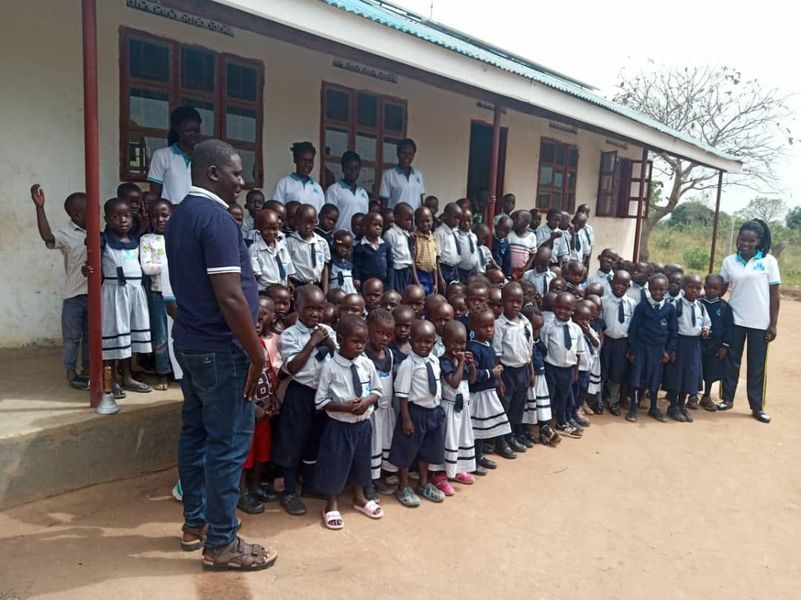
Students in uniform stand outside a building with teachers.
By Amigos Internacionales February 26, 2026
Over 700 children attend Amigos Internacionales schools in Uganda and Tanzania. Learn how building classrooms in rural Africa changes the trajectory of entire communities.
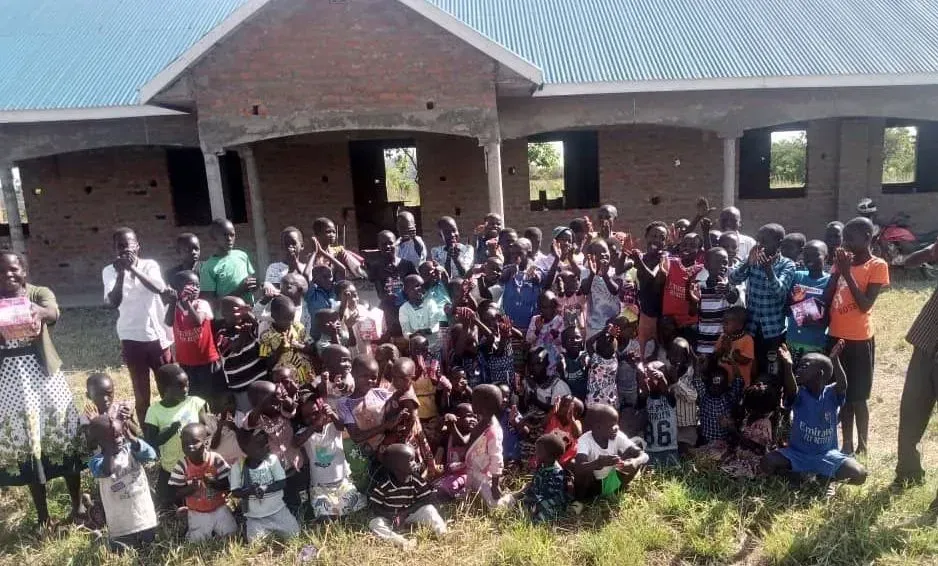
Large group of children posing in front of a partially constructed building. Outdoors, daylight.
By Amigos Internacionales February 26, 2026
Real Christian missions in Uganda go beyond short-term trips. Discover how Amigos Internacionales builds lasting faith, community, and change through the MissionPoint model.
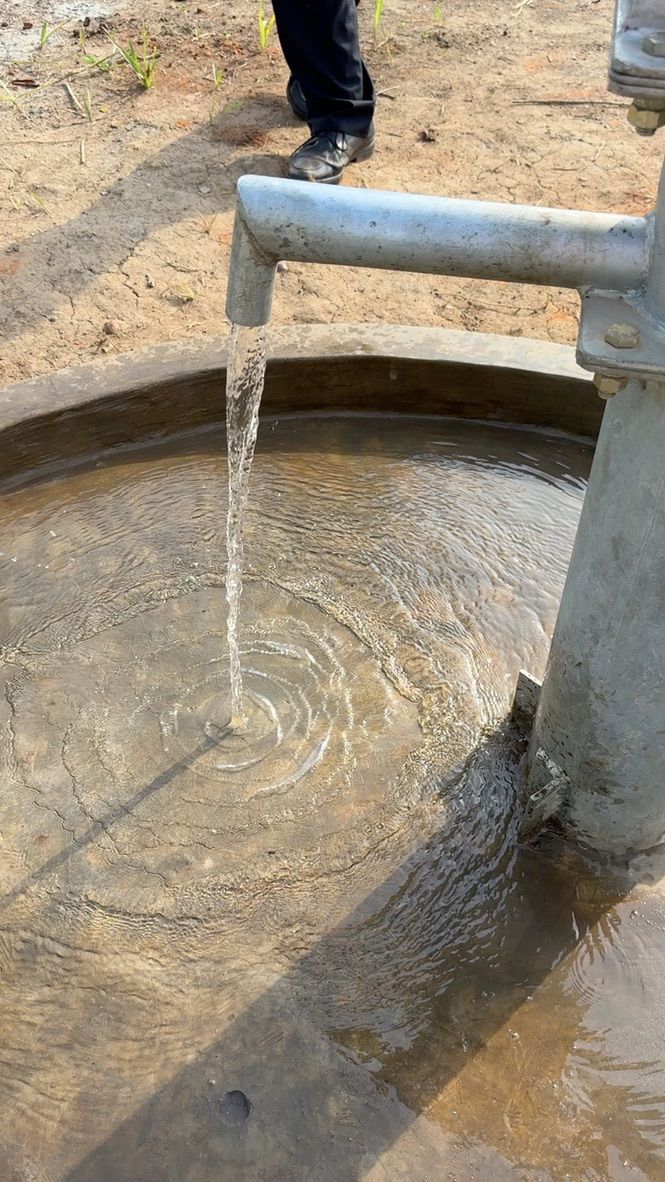
Water flows from a metal spout into a concrete basin, a person's legs visible in the background.
February 26, 2026
Waterborne diseases kill thousands in Northern Uganda each year. Learn how Amigos Internacionales is drilling water wells in Gulu and rural Uganda — and how you can help.
Boy in a shirt smiles. He stands outside in front of a fence and trees.
By Amigos Internacionales February 26, 2026
Learn how sponsoring a child in Uganda through Amigos Internacionales provides education, clean water, food, and faith — and how your $38/month changes everything.
Doctor examining a person's mouth and neck, indoors. The person is sitting, and their mouth is open.
By Paul Mulyamboga February 16, 2026
Medical missions refer to organized initiatives that bring healthcare professionals and volunteers to underserved or marginalized communities, both domestically and internationally. These missions aim to provide medical services, treatments, and preventive care to individuals who lack access to adequate healthcare. Medical missions often operate in areas with limited resources, such as remote regions, disaster-stricken areas, or economically disadvantaged communities. At Amigos Internacionales, we reach the most vulnerable communities with much need medical and surgical care through medical and surgical mission while sharing the word of God. Amigos Internacionales Amigos Internacionales is a non-profit organization dedicated to addressing critical needs in underserved communities worldwide. Through initiatives medical camps, educational programs, and infrastructure projects, they strive to foster sustainable development and holistic well-being. Founded in 1967, Amigos Internacionales, Inc. began with a vision to provide emergency services and disaster relief across the globe. Over the years, their mission has evolved, concentrating on impactful initiatives in Africa through their Mission point campaign. Today, they dedicate themselves to building communities by establishing churches, schools, and essential infrastructure like water wells, particularly in regions impacted by the South Sudan refugee crisis. Their commitment extends beyond immediate relief to fostering sustainable development, spiritual growth, and community resilience. Driven by partnerships and volunteerism, we strive to create a lasting difference in the lives of the underprivileged, transforming their futures through faith, education, and practical support.
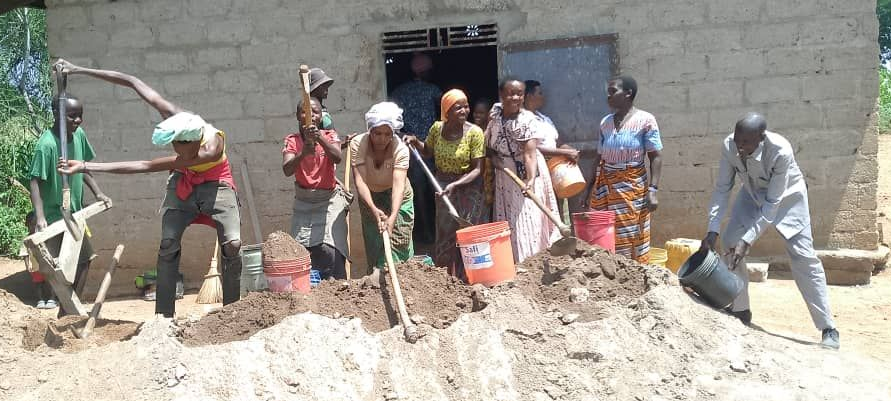
Group of people working outdoors, shoveling and mixing materials. Building site with a concrete block building.
By Amigos Internacionales February 13, 2026
Discover how Ikonongo Baptist Church in Shinyanga, Tanzania was restored after 14 years of closure. See how local leadership, community labor, and support from Amigos Internacionales sparked revival, baptisms, and church growth.
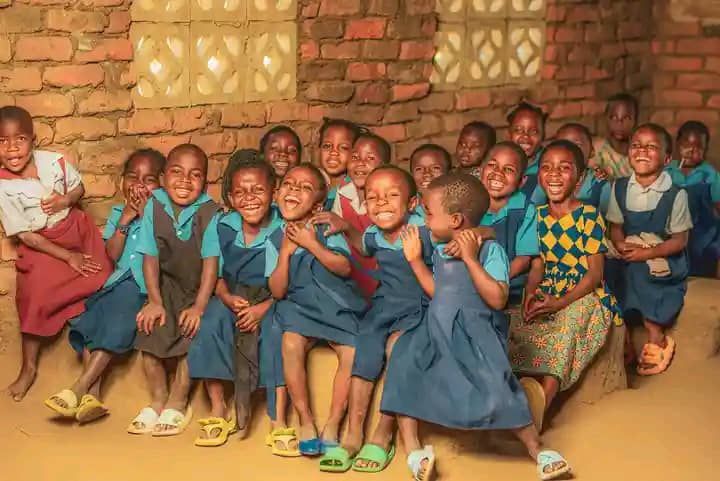
Group of children in blue school uniforms, laughing in a brick-walled room.
By Victor Phiri February 13, 2026
In Mulanje District, southern Malawi, food insecurity is not an abstract issue—it is a daily reality for many families. Rising food prices, unpredictable rains, and limited household income mean that too many children go to bed hungry. Today, we are setting a clear and urgent goal: To raise $1,000 to provide food support for vulnerable families in Malawi. It is a modest target by global standards. But here in Mulanje, $1,000 can make a tangible and immediate difference.
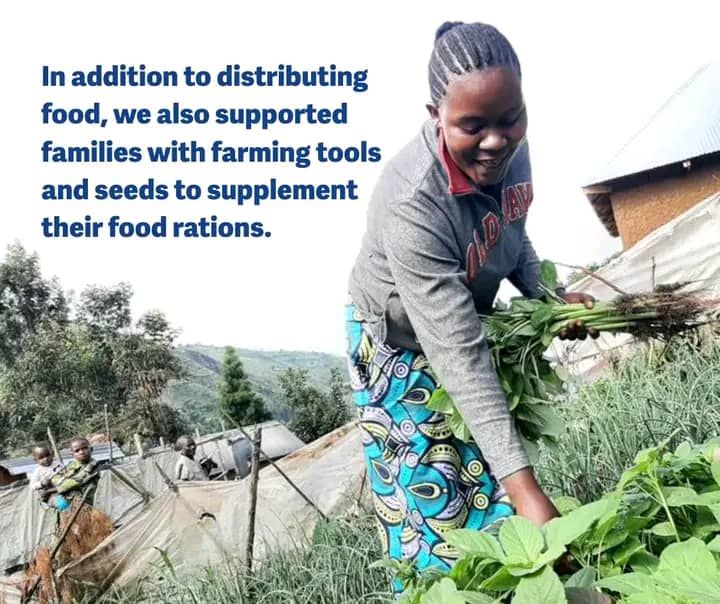
By Victor Phiri January 28, 2026
When the Rains Fail, Hope Must Take Root Across Mulanje District, the land tells a difficult story. Seasons that once brought dependable rains are now marked by prolonged drought, erratic weather, and declining harvests. Global climate shocks—felt across East and Southern Africa—are hitting rural Malawian families especially hard. When crops fail, it is not just food that disappears, but stability, dignity, and hope.  Widows, children, and smallholder farmers are bearing the heaviest burden. Without irrigation, savings, or access to resilient farming methods, many families are forced to rely on expensive markets or emergency food aid just to survive. Yet even in this hardship, something powerful is growing.
Show More